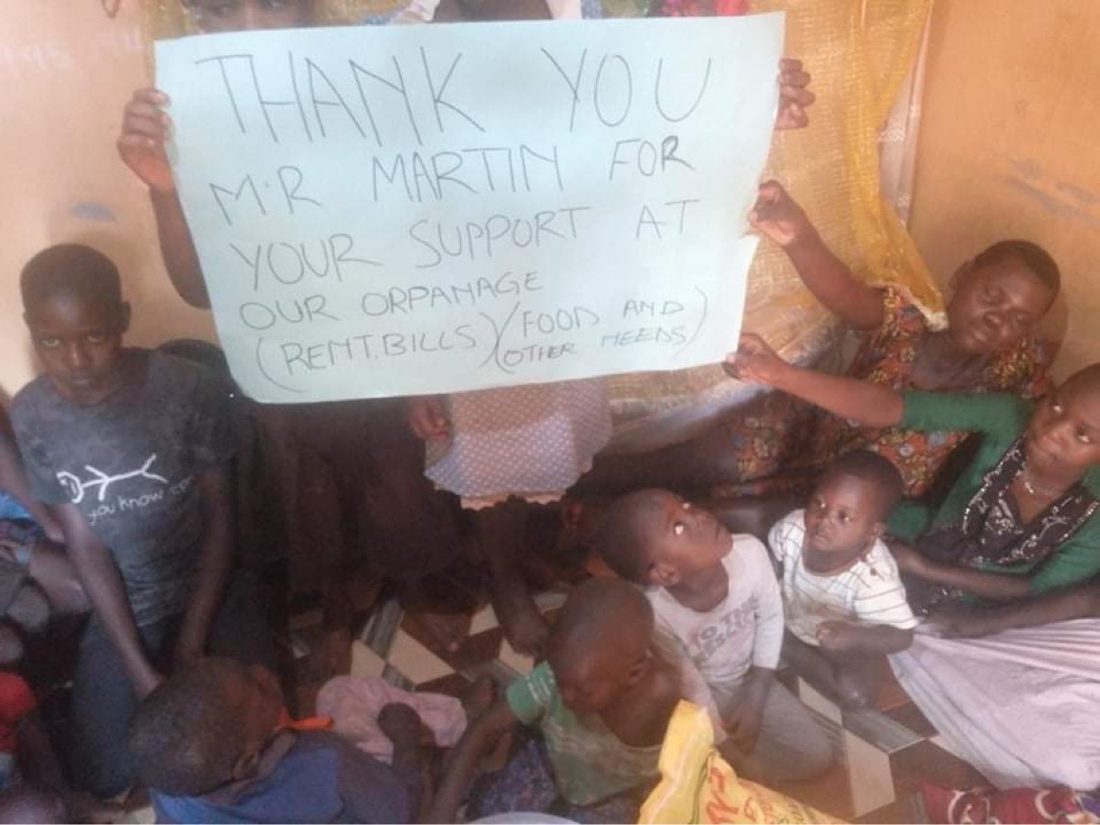
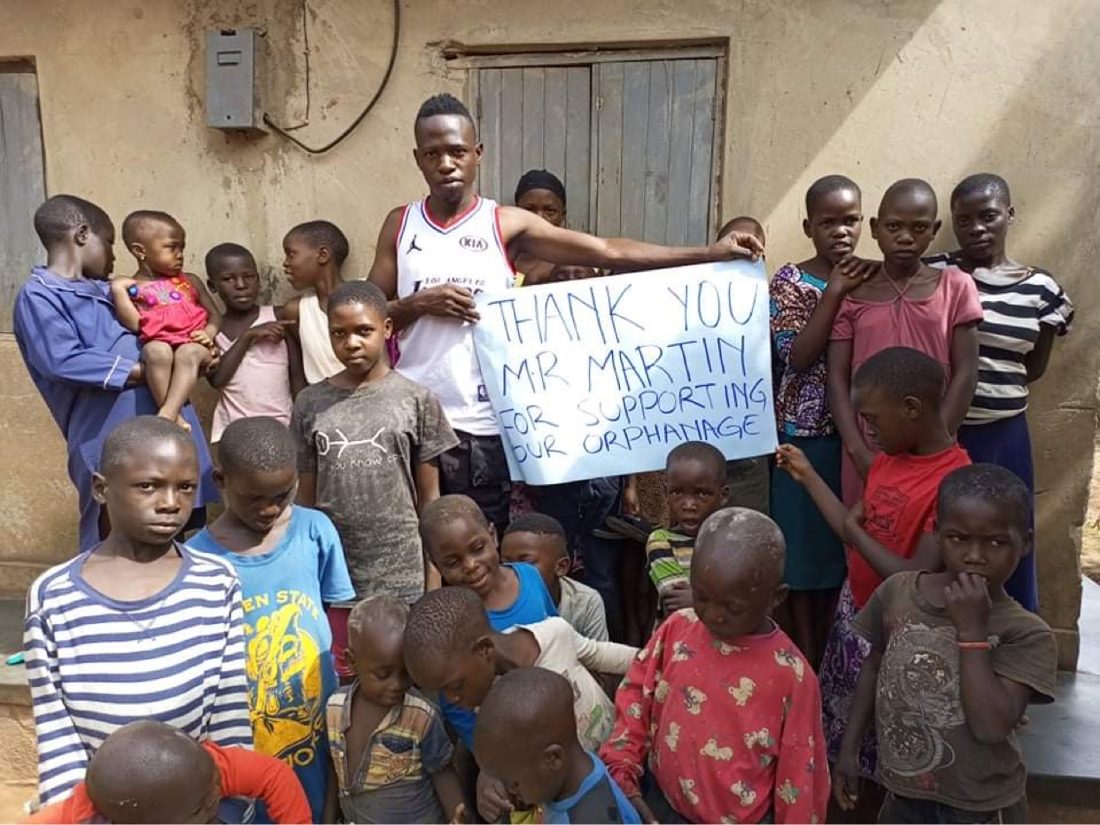
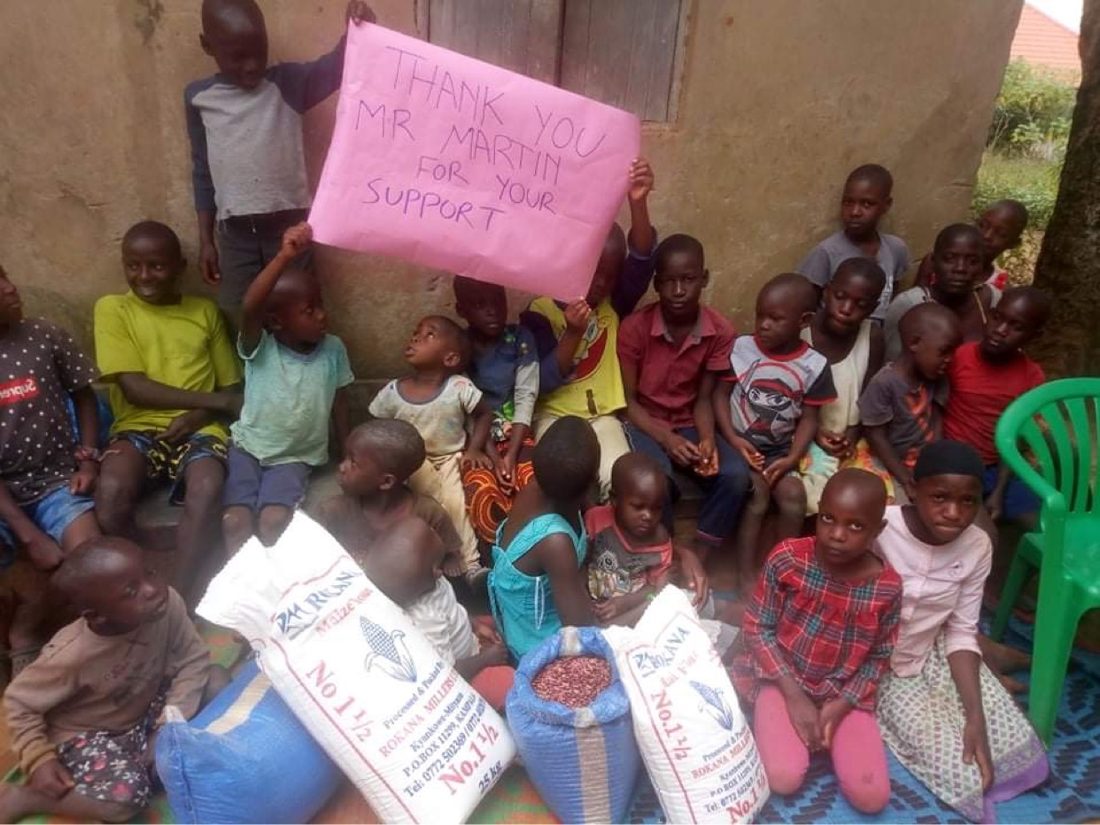

I thought it was a scam. I'm glad I was wrong.
A few years back, a stranger messaged me out of the blue asking for money for an orphanage in Uganda. Every instinct I had said the same word: scam. You don't wire money to someone you've never met on the strength of a message. I nearly ignored it completely.
But he didn't go away. He kept messaging — patient, never pushy — and he kept sending things. Photos. Names. The home itself. Eventually I thought, right, let's test it. I sent £100, fully expecting that to be the last I'd ever hear of him.
Instead I got back a flood of photos and videos: children with actual food in front of them, singing, dancing, holding up handmade signs. Not a slick charity package — real kids, genuinely better off because of a hundred quid. I'd been talking to a decent, genuine man doing real good, and I'd very nearly written him off on a lazy assumption.
So I gave again. And again. And the proof came back every single time.
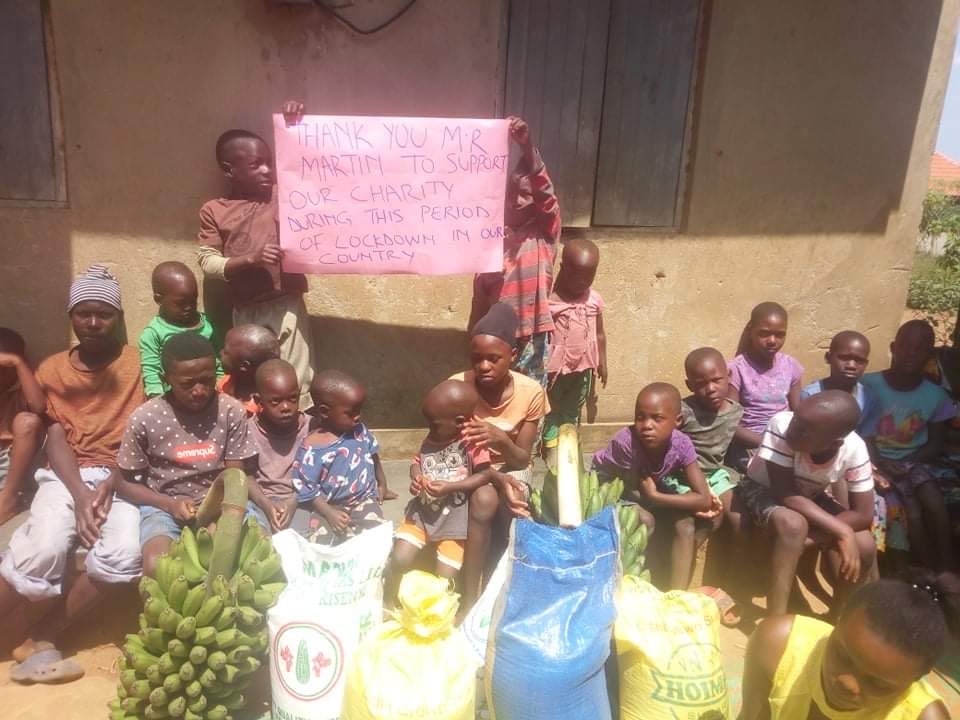
That's the whole reason this exists. I got proof with every pound — so I built a way for other people to give exactly like that, with the same proof, and without the overhead that normally sits between a donor and a child.
Who's actually asking for your money
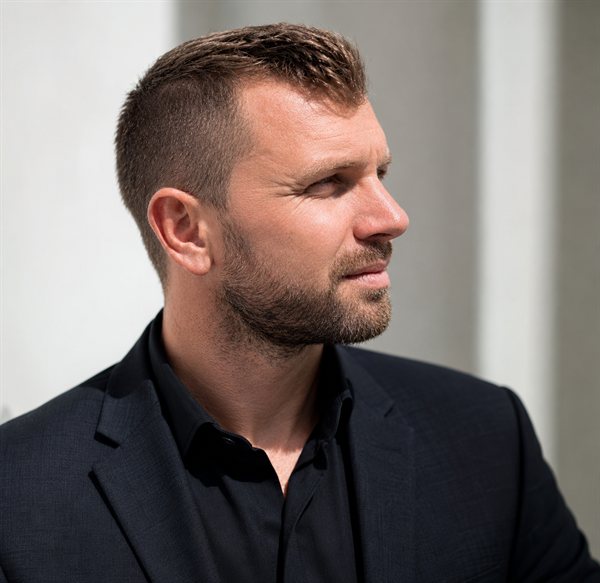
Martin Howard
I administer every pound of this personally — and take nothing for it.
Fair question — and a more important one when this isn't a registered charity. So, plainly: I'm Martin Howard, a UK property developer. I built a property group worth around £13.7m starting from nothing — a council estate, a redundancy and a spell packing cheese in a Somerset factory are all in my past. I'm not anonymous, I'm not hard to find, and I have a reputation I'm not about to torch over someone's tenner.
I administer every pound of this personally and take nothing — no salary, no expenses. And it's kept completely separate from my business: no products here, no pitches, no investment talk. If you want to know exactly who I am, my track record is public.